Timeless Tales is the Reading Middle School Bridge, featuring instruction that is designed to transition learners from elementary to middle school content.
Note: This article only applies if your district has toggled on the Individualized Learning Path Mode option under App Settings in their admin dashboard.
It focuses on high-leverage comprehension skills, such as summarizing texts across genres, and continues to build students’ word analysis, fluency, and vocabulary skills.
The section provides interdisciplinary lessons that are data-driven, interactive, and aligned with standards. Units include direct and interactive instruction in skills such as sequencing, summarizing, paraphrasing, making inferences, understanding literary symbolism, identifying and analyzing character traits and point-of-view, and analyzing text structures. Every unit provides direct instruction in word analysis and understanding vocabulary in context.
- Over 1800 minutes of interactive content
- Fully aligned with Common Core and state standards
- Interdisciplinary approach
- Passages promote the six pillars of character education, encouraging good citizenship and empowering the hero within every reader.
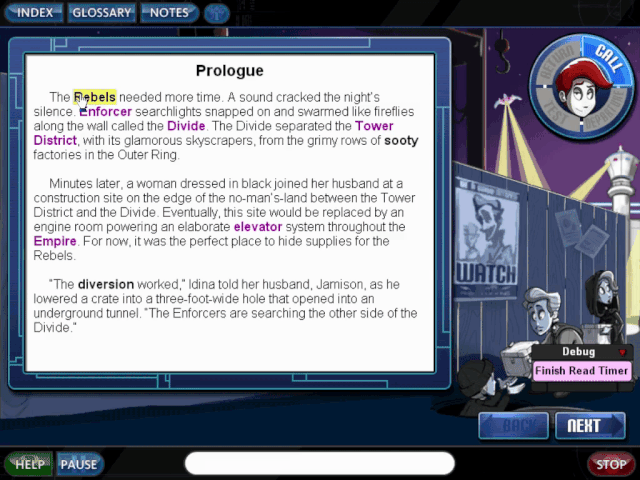
Glossary
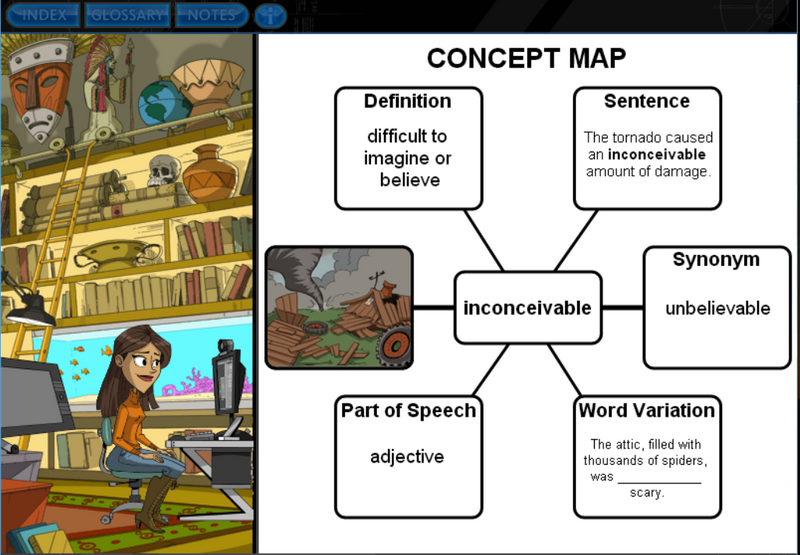
Concept Map
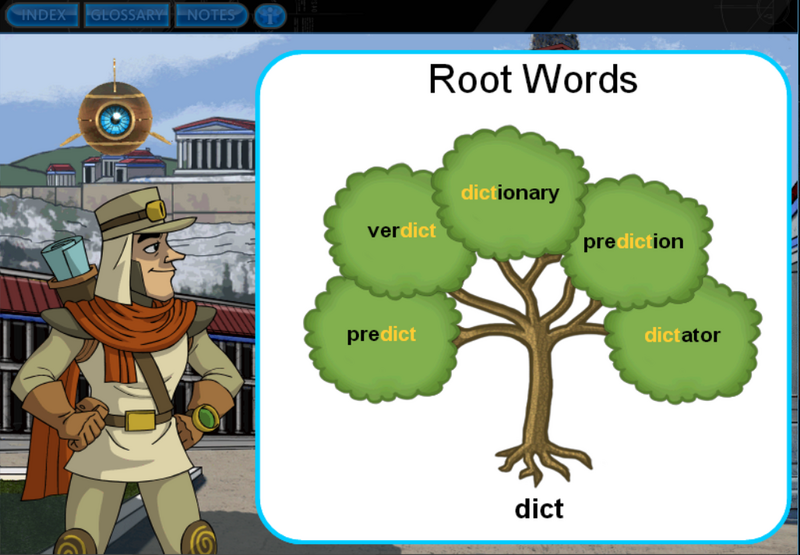
Root Words
Skills Taught by Unit
Click each arrow to view skills taught by unit.
Unit 1
Lesson 1.1A
- Comprehension Skills
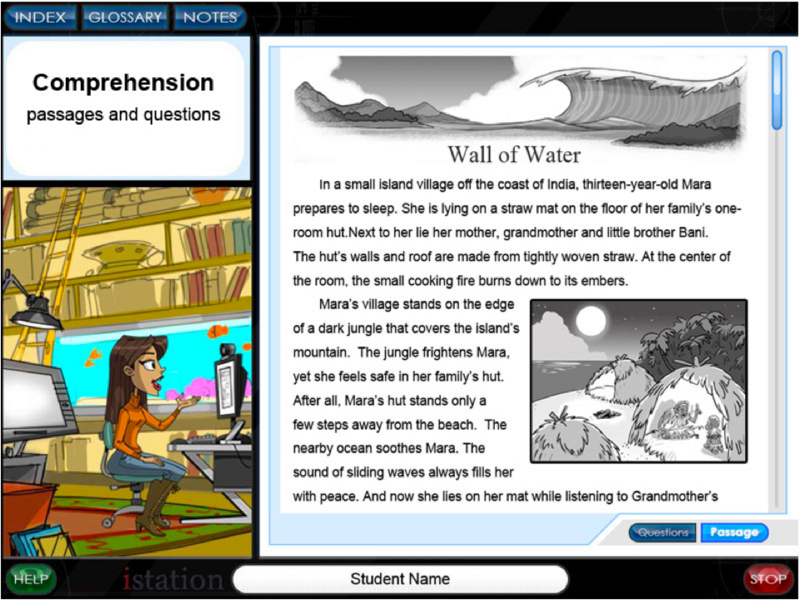
- Sequence
- Summarizing
- Paraphrasing
- Self-Selected Reading and Writing
- 15 Passages
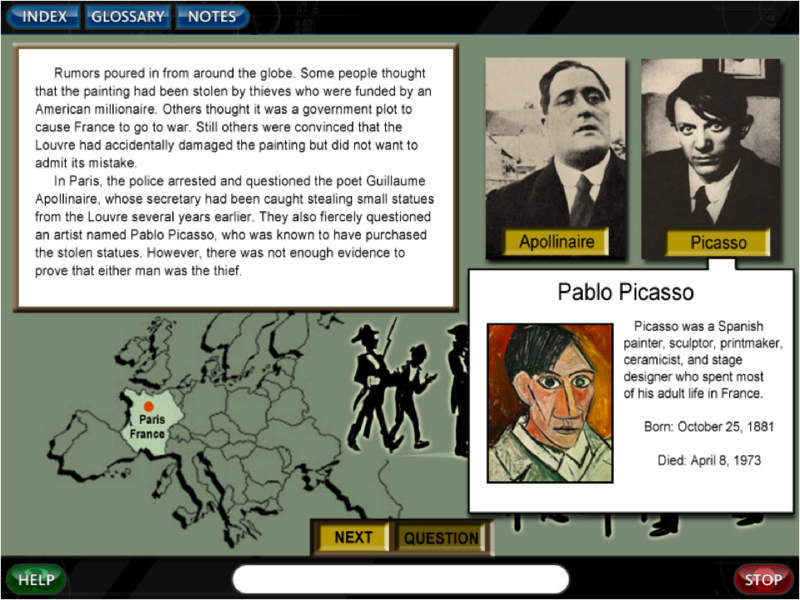
Lesson 1.1B
- Comprehension Skills
- Making Inferences
- Idioms
- Vocabulary Skills
- Context Clues
- Word Analysis Skills
- Spelling
- Greek and Latin Roots
- Fluency Skills (Practice & Assessment)
- Self-Selected Reading and Writing
- 3 Additional Passages
Unit 2
Lesson 1.1A
- Comprehension Skills
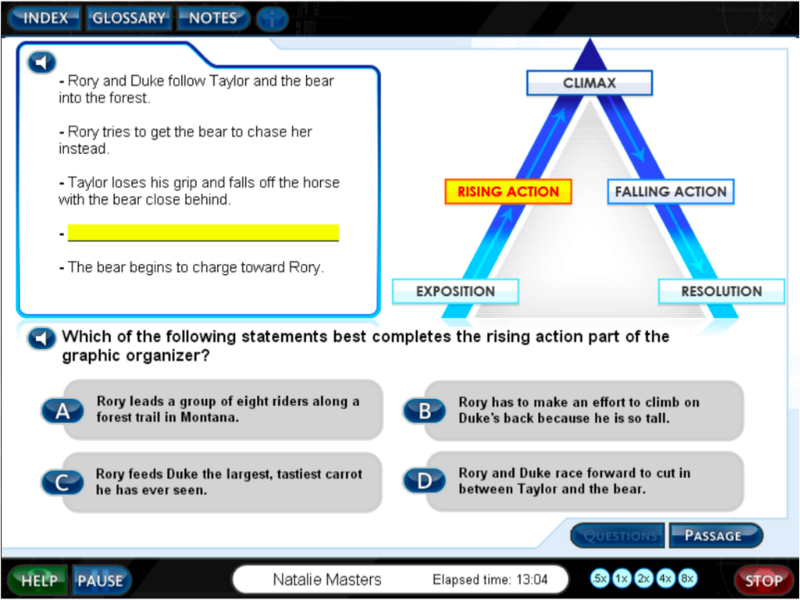
- Plot Elements
- Exposition
- Rising Action
- Climax
- Falling Action
- Resolution
- Self-Selected Reading and Writing
- 3 Additional Passages
Lesson 1.1B
- Comprehension Skills
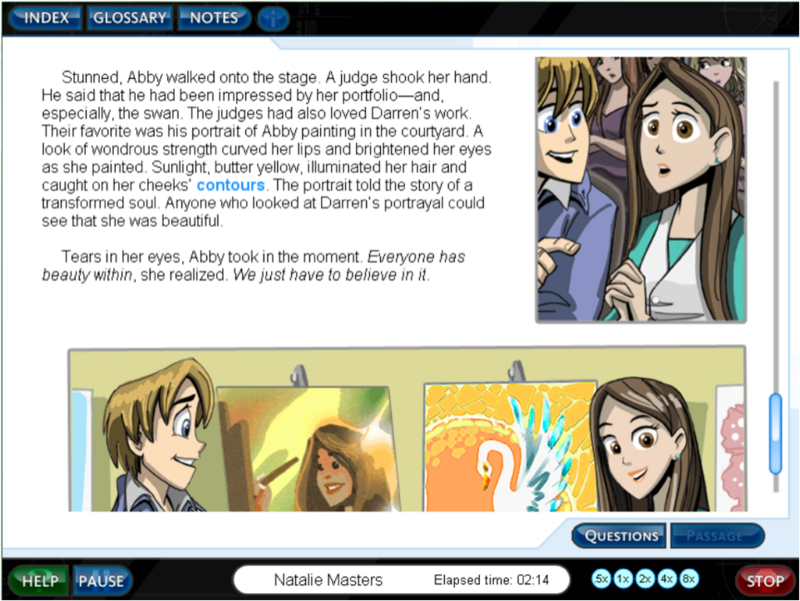
- Symbolism
- Making Inferences
- Vocabulary Skills
- Analogy
- Context Clues
- Word Analysis Skills
- Spelling
- Root Word Families
- Fluency Skills (Practice & Assessment)
- Self-Selected Reading and Writing
- 3 Additional Passages
Unit 3
Lesson 1.1A
- Comprehension Skills
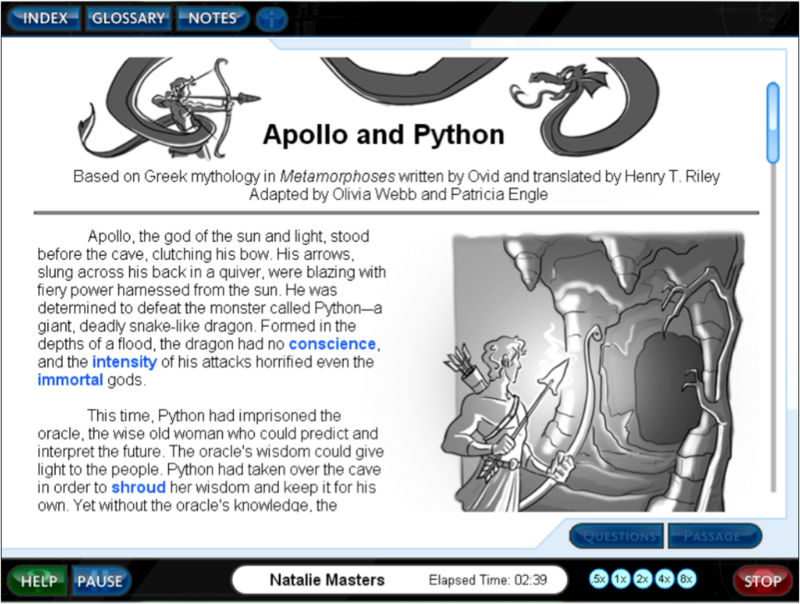
- Characterization
- Antagonist vs. Protagonist
- Self-Selected Reading and Writing
- 3 Additional Passages
Lesson 1.1B
- Comprehension Skills (The Hero’s Journey Text Structure)
- Vocabulary Skills
- Context Clues
- Semantic Analysis with Concept Maps
- Word Analysis Skills
- Spelling
- Syllabication
- Fluency Skills (Practice & Assessment)
- Self-Selected Reading and Writing
- 3 Additional Passages
Unit 4
Lesson 1.1A
- Comprehension Skills
- Nonfiction Text Structures
- Author’s Purpose
- Self-Selected Reading and Writing
- 3 Additional Passages
Lesson 1.1B
- Comprehension Skills
- Author’s Purpose
- Author’s Stylistic Choices
- Vocabulary Skills
- Analogy
- Context Clues
- Word Analysis Skills
- Spelling
- Syllabication
- Fluency Skills (Practice & Assessment)
- Self-Selected Reading and Writing
- 3 Additional Passages
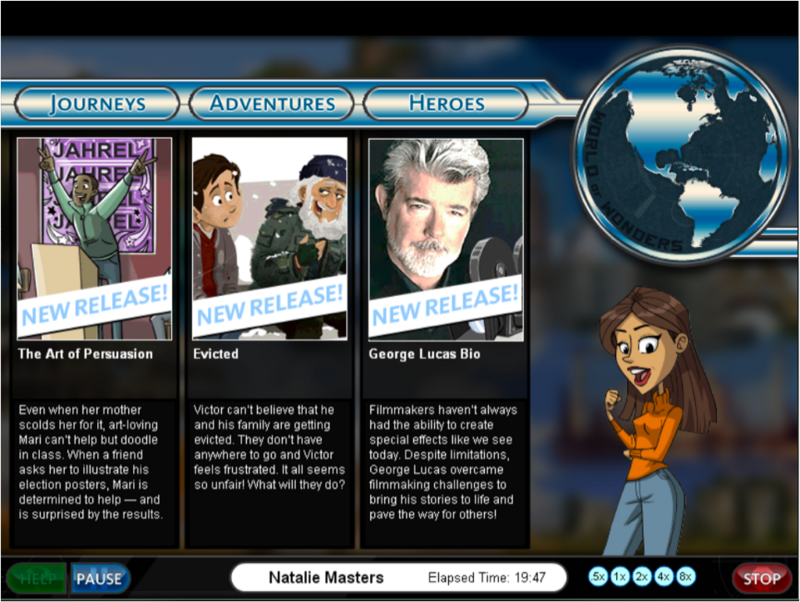
How do students complete the World of Wonders activity?
Step 1: Select a featured story to read.
Step 2: Click the globe icon.
Step 3: Choose a tab: Journeys, Adventures, or Heroes.
Step 4: Select a story with an eyeball icon next to it.
Step 5: Click the pencil icon to begin your response.
Step 6: Enter a Title and your Response.
Step 7: Click Publish (located in the bottom right corner).