Starting in Cycle 8, the focus shifts to more sophisticated phonics skills and comprehension strategy lessons that guide students in interacting with text across a variety of genres.
Note: This article only applies if your district has toggled on the Individualized Learning Path Mode option under App Settings in their admin dashboard.
At this level, students learn word analysis skills to decode multisyllabic words and vocabulary strategies, such as using context to determine the meaning of an unknown word. As learners progress in the curriculum, they expand their vocabulary by building words with affixes and exploring Latin and Greek roots. Content-specific science and social studies vocabulary is also introduced in conjunction with content-area reading instruction in Cycles 12-14.
Cycles 8-15 teach:
- Comprehension
- Word Analysis
- Fluency
- Vocabulary
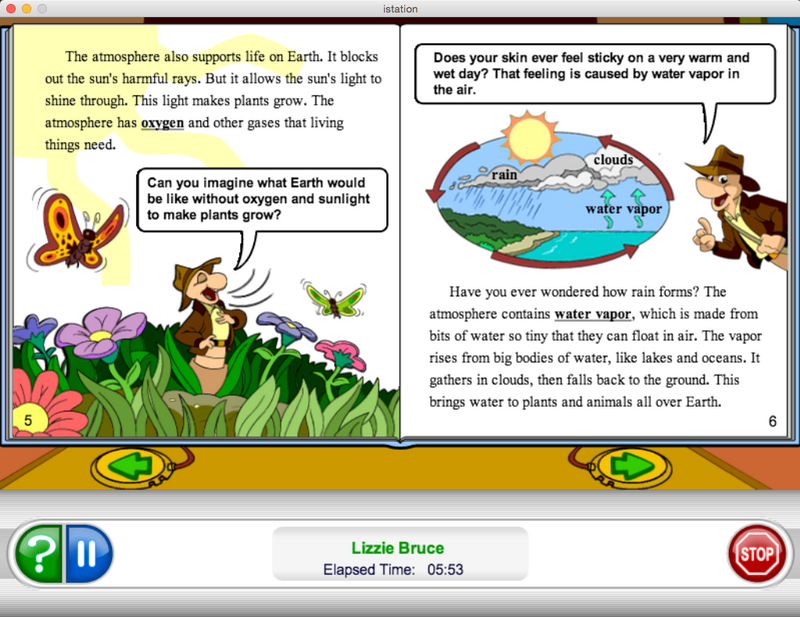
Text Passage
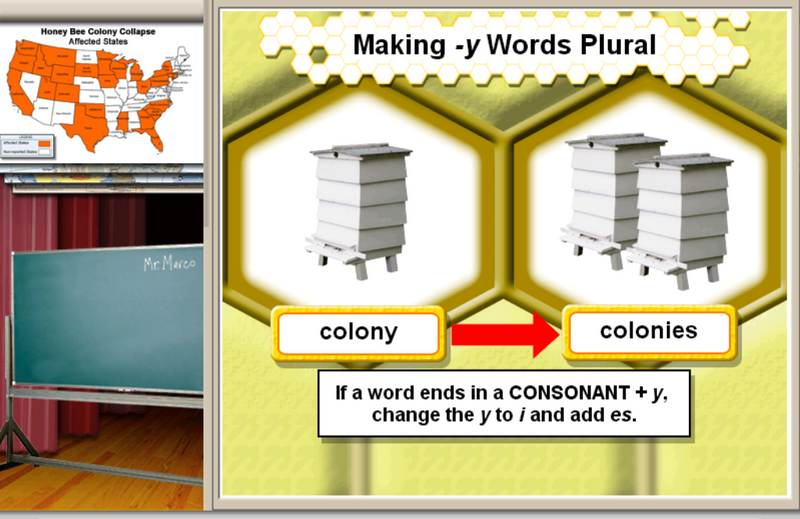
Spelling Activity
Skills Taught by Cycle
Cycle 8
- R-Controlled Vowel /er/ with Spellings er, ir, and ur
- Long i
- Long u
- Auditory Discrimination and Letter Naming
- Phonogram: -ng
- Digraph /sh/
- Digraph /th/
- Compound Words
- High-Frequency Words, does, your, when, could, give, want
- Vocabulary
- Read with Meaning
- Reading Comprehension
Cycle 9
- Diphthongs /oi/ and /oy/
- Digraphs /ch/ and /tch/
- Long Vowel Open Syllable
- Inflected Endings: -s, -ed as in looked, and -ing
- Two Vowels Go Walking: ay, oe, ie, ey
- Variant Vowels: ow as in snow, oi, oy, ol
- High-Frequency Words, who, goes, put, why, because, thought
- Rapid Word Naming
- Multisyllabic Words
- Read with Meaning
- Reading Comprehension:
- Cause/Effect
- Problem Solution
Cycle 10
- Digraph: ph
- Diphthong /ou/
- Inflected Endings: -s, -ed as in started and hummed, and -ing
- Variant Vowels: Words with au, aw, ow as in cow, ou, alk, all, and alt
- Open Syllable Words
- Schwa Sound at Beginning of Decodable Words
- Y as long e, as in baby
- High-Frequency Words, good, many, their, too, would, look
- Multisyllabic Words
- Vocabulary
- Read with Meaning
- Reading Comprehension:
- Character Analysis Using Web
- Compare/Contrast
- Sequencing Plot
- Problem/Solution
Cycle 11A
- Variant Vowels: Words with /oo/ as in zoo, new, suit, glue, and as in foot
- Phonograms: igh, eigh, and ea for short e
- Vowel Patterns: ind and ild
- Inflectional Endings: Change y to i and add -es or, ed.
- Multisyllabic Words with Cumulative Review
- Contractions
- Synonyms and Antonyms
- Affixes
- Homophones
- Read with Meaning
- Reading Comprehension:
- Inferencing
- Main Idea/Details
- Cause/Effect
- Sequencing
- Compare/Contrast
- Informational Text Characteristics
- Argumentative Text Characteristics
Cycle 11B
- Genres World with Flint Rockwell
- Folktales
- Fables
Cycle 12
- Comprehension Skills
- Author's Purpose
- Cause and Effect
- Compare and Contrast
- Drawing Conclusions
- Inferences
- Main Idea
- Predicting Outcomes
- Representing Text
- Sequence
- Summarization
- Text Structure
- Vocabulary
- In Context
- Structural Analysis Using Affixes
Cycle 13
- Comprehension Skills
- Author's Purpose
- Compare and Contrast
- Drawing Conclusions
- Main Idea and Details
- Predicting Outcomes
- Problem/Solution
- Sensory Language
- Summarization
- Vocabulary
- Analogies
- Context Clues
- Homophones
- Multiple Meaning Words
- Synonyms and Antonyms
- Word Analysis
- Complex Word Families
- Structural Analysis Using Affixes
Cycle 14
- Comprehension Skills
- Author's Purpose
- Compare and Contrast
- Fact/Opinion
- Main Idea and Details
- Predicting Outcomes
- Sensory Language
- Summarization
- Text Structure
- Vocabulary
- Analogies
- Context Clues
- Idioms
- Multiple Meaning Words
- Synonyms and Antonyms
- Word Analysis
- Complex Word Families
- Structural Analysis Using Affixes
Cycle 15
- Comprehension Skills
- Author's Purpose
- Compare and Contrast
- Drawing Conclusions
- Main Idea and Details
- Predicting Outcomes
- Problem/Solution
- Summarization
- Text Structure
- Vocabulary
- Analogies
- Context Clues
- Multiple Meaning Words
- Synonyms and Antonyms
- Word Analysis
- Complex Word Families
- Spelling
- Structural Analysis Using Affixes
For questions regarding placement or to review other cycle/unit groupings, please head back to our main Cycles/Units of Instruction article.